What Are the Different Types of Commercial Cleaning in Inver Grove Heights, MN?
From routine office cleaning to specialized floor care, understanding the different types of commercial cleaning helps Inver Grove Heights businesses choose services that fit their facilities, schedules, and everyday needs.
Keeping a commercial property clean involves more than emptying trash cans and wiping down visible surfaces. Offices, retail spaces, medical facilities, and other workplaces have different cleaning requirements based on how their spaces are used, how much foot traffic they receive, and the standards they need to maintain.
For businesses in Inver Grove Heights, Minnesota, the right cleaning plan can help maintain a professional appearance, support a comfortable workplace, and prevent dirt and grime from building up. Some facilities need regular janitorial service, while others benefit from periodic deep cleaning or specialized floor care.
Understanding the main types of commercial cleaning makes it easier to determine which services are most appropriate for your business.
1. Routine Commercial Janitorial Cleaning
Janitorial cleaning is the foundation of many commercial cleaning programs. It focuses on the recurring tasks that keep a building presentable and usable throughout the week.
Depending on the facility and service agreement, routine janitorial cleaning may include:
- Emptying wastebaskets and removing trash
- Dusting accessible surfaces and furniture
- Vacuuming carpeted floors
- Sweeping and mopping hard flooring
- Cleaning reception areas and common spaces
- Wiping appropriate shared surfaces
- Maintaining the general appearance of hallways and work areas
Businesses may schedule janitorial service daily, several times per week, weekly, or according to their operational needs.
For example, a small professional office may need only a few visits per week, while a busy commercial property with numerous employees and visitors may require daily cleaning. A consistent schedule helps prevent everyday dirt from accumulating and reduces the need for frequent catch-up cleaning.
2. Professional Office Cleaning
Office cleaning focuses on the areas employees use to complete their work and the spaces visitors encounter when entering the building.
Workstations, conference rooms, reception desks, shared offices, and meeting areas can accumulate dust, fingerprints, and debris during normal operations. Professional office cleaning addresses these areas while allowing employees to focus on their responsibilities.
Typical office cleaning services may include dusting accessible furniture, cleaning shared tables, vacuuming carpets, maintaining hard floors, and removing waste. Restrooms and break rooms may also be included, depending on the contract.
Businesses in Inver Grove Heights can arrange cleaning outside normal operating hours to minimize disruptions. Evening or early-morning service can be especially useful for offices that need to remain quiet and productive throughout the workday.
The best office cleaning plan considers the size of the workspace, the number of people using it, and the areas that require the most frequent attention.
3. Commercial Restroom Cleaning
Restrooms require a consistent cleaning routine because they are frequently used and can quickly develop unpleasant odors, visible residue, and hygiene concerns.
Commercial restroom cleaning may include cleaning and disinfecting toilets, urinals, sinks, faucets, and other appropriate surfaces. Mirrors are cleaned, floors are swept and mopped, and frequently touched areas receive attention according to the agreed schedule.
Some service agreements also include checking and replenishing restroom supplies, such as soap, paper towels, and toilet paper.
The required frequency depends on how many people use the facility. A small office restroom may need less frequent attention than restrooms serving a large workplace or customer-facing business.
Businesses should clarify which restroom tasks are included in their cleaning agreement and whether supplies are provided separately. Clear expectations help ensure that restrooms remain presentable between scheduled visits.
4. Commercial Floor Cleaning and Maintenance
Floors are among the most heavily used surfaces in a commercial building. They collect dust, grit, spills, moisture, and dirt brought in by employees, customers, and deliveries.
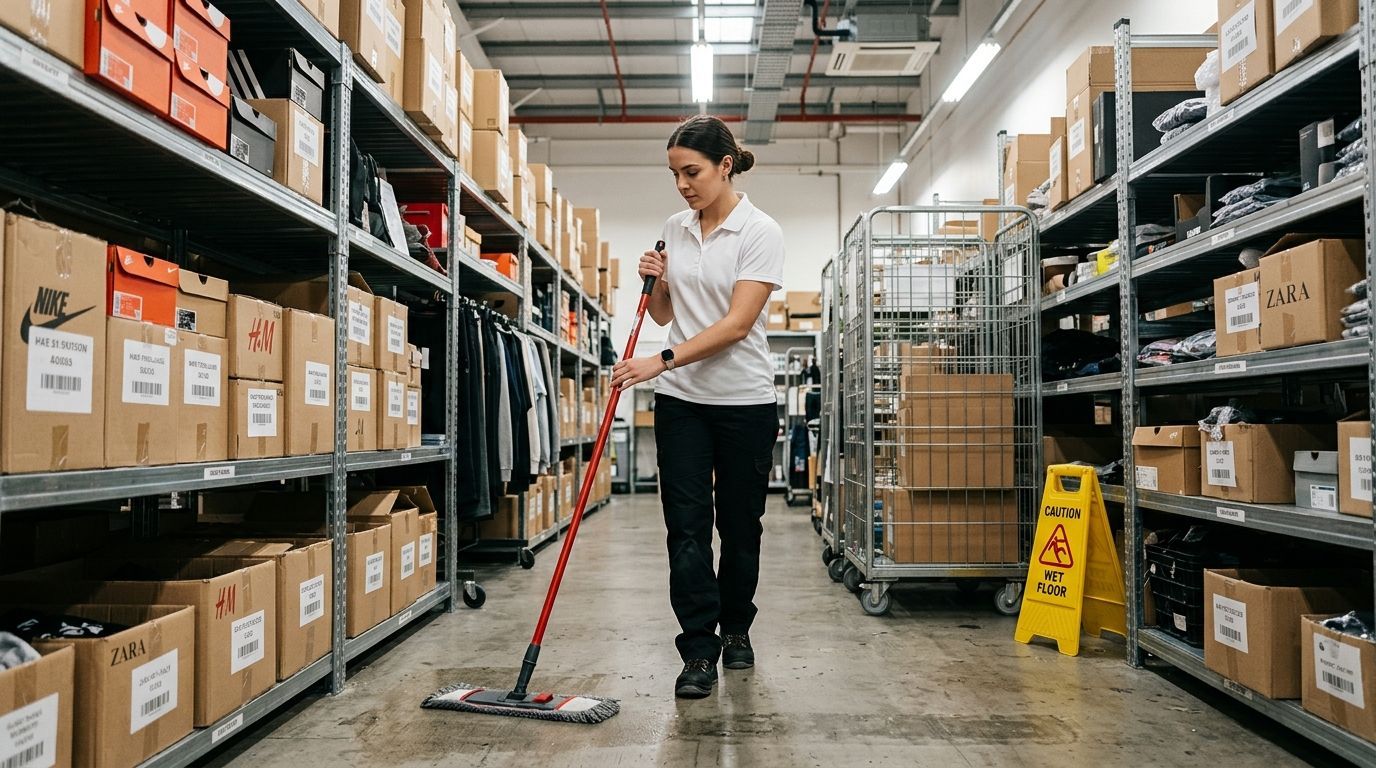
Commercial floor cleaning can involve several methods depending on the material and its condition. Routine services may include vacuuming carpets, sweeping hard floors, damp mopping, and cleaning entry mats. More intensive services may involve carpet extraction, machine scrubbing, or other specialized floor treatments.
Inver Grove Heights businesses also need to consider Minnesota's seasonal conditions. During winter, snow, slush, and road salt can be tracked inside, leaving residue around entrances and walkways. These areas may need more frequent attention during colder months.
Floor care should always match the surface. Carpet, vinyl, tile, sealed concrete, and other flooring materials have different maintenance requirements. Using suitable cleaning products and methods helps protect the finish and maintain a professional appearance.
For businesses with heavy foot traffic, a combination of routine floor cleaning and periodic deeper maintenance can help manage buildup over time.
5. Commercial Deep Cleaning
Routine cleaning addresses everyday mess, but some areas need more detailed attention periodically. Commercial deep cleaning focuses on spaces and surfaces that may not receive the same level of care during standard janitorial visits.
Depending on the provider, a deep cleaning service may include detailed cleaning of fixtures, additional attention to buildup around edges and corners, intensive restroom cleaning, and more thorough treatment of selected floors or shared spaces.
Deep cleaning can be useful before a business opens, after a particularly busy period, during seasonal maintenance, or when a facility needs a more comprehensive reset.
It is important to understand that deep cleaning does not automatically include every specialized service. Carpet extraction, high-level dusting, exterior window washing, and post-construction cleanup may be quoted separately.
Before scheduling, businesses should discuss which areas need attention and confirm the tasks, timing, and costs included in the service.
6. Commercial Kitchen and Break Room Cleaning
Break rooms and staff kitchenettes need regular cleaning because food preparation, spills, and daily use can quickly create messes.
Typical cleaning tasks may include wiping countertops and tables, cleaning sinks, wiping suitable exterior appliance surfaces, removing trash, and maintaining the floor. Shared dining areas may also need attention to visible crumbs, fingerprints, and spills.
The scope of service matters. Cleaning the exterior of a refrigerator or microwave is not the same as cleaning its interior, and routine janitorial work may not include washing dishes or handling food-contact surfaces under specialized sanitation requirements.
Commercial kitchens can require additional procedures, equipment, and training beyond standard office cleaning. Businesses operating restaurants or food preparation facilities should confirm that their provider can meet the applicable requirements for those spaces.
A clearly defined cleaning plan helps distinguish ordinary break room maintenance from specialized kitchen cleaning.
7. High-Touch Surface Cleaning and Disinfection
Door handles, handrails, light switches, shared counters, and other frequently touched surfaces can collect fingerprints, oils, and everyday grime.
High-touch surface cleaning focuses on keeping these areas clean as part of a recurring maintenance plan. Where disinfection is needed, the appropriate product and procedure should be selected for the surface and the intended use.
Cleaning and disinfecting are related but different tasks. Cleaning removes dirt and many germs from surfaces, while disinfecting uses suitable products to reduce germs on targeted surfaces. Products must be used according to their labels, including any required contact time.
The frequency of this service depends on the workplace. Businesses with many visitors or heavily shared spaces may need more frequent attention than facilities with limited daily traffic.
Including high-touch surfaces in a written cleaning checklist helps ensure that these often-overlooked areas receive consistent care.
8. Specialized Cleaning Services
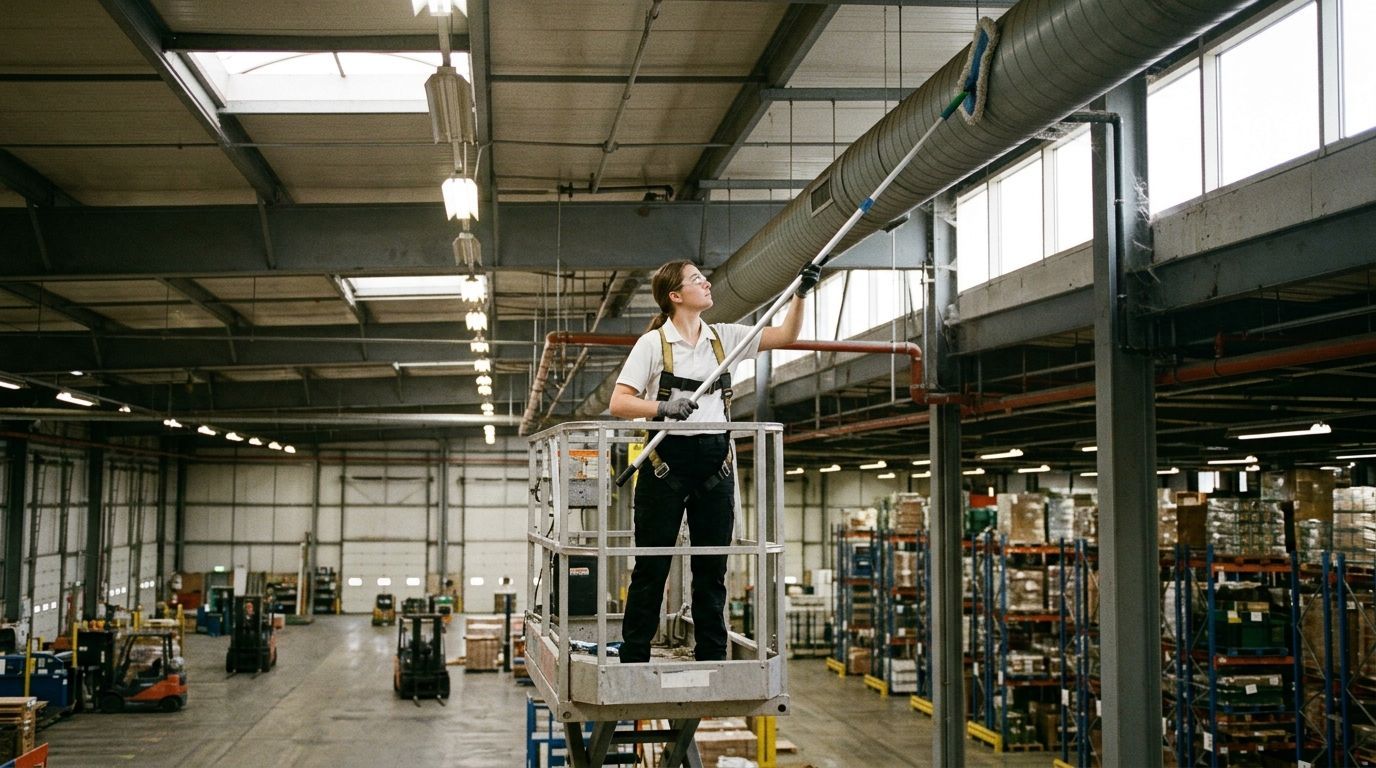
Some facilities require cleaning beyond standard janitorial maintenance. Depending on the provider, additional services may include carpet and upholstery cleaning, interior glass cleaning, post-construction cleanup, high dusting, or specialized floor treatments.
These services can be valuable when a building is undergoing renovations, preparing for a new tenant, recovering from heavy use, or addressing a specific maintenance concern.
However, specialized services are not automatically included in a routine cleaning package. Certain work may require additional equipment, specific training, or a separate quote.
Businesses should explain their needs during an initial walkthrough and ask which services the provider performs directly. This helps establish a realistic scope of work and reduces misunderstandings about what is included.
How to Choose the Right Commercial Cleaning Services
The most suitable cleaning program depends on the type of business, the size of the facility, and the way each area is used. A small office may primarily need janitorial service and restroom maintenance, while a larger property may require regular floor care, detailed common-area cleaning, and periodic deep cleaning.
Before choosing a provider, consider the following:
Building size and layout: Identify the rooms, floors, restrooms, and shared areas that require service.
Daily foot traffic: Entrances, corridors, and restrooms may need more frequent attention when many people use them.
Cleaning frequency: Decide which tasks are needed daily, several times per week, weekly, or periodically.
Business operations: Choose cleaning times that minimize interruptions and accommodate access requirements.
Service scope: Confirm which tasks are included, which cost extra, and whether supplies are provided.
Seasonal conditions: Plan for increased dirt and moisture around entrances during Minnesota's winter months.
A walkthrough and written service checklist can help create a practical plan based on the property's actual needs instead of relying on a generic package.
Maintain a Cleaner Workplace in Inver Grove Heights
Commercial cleaning includes several different services, from routine janitorial work and office cleaning to restroom sanitation, floor maintenance, and specialized deep cleaning. Each service addresses different needs, and combining the right tasks can help businesses maintain a more consistent standard of cleanliness.
For businesses in Inver Grove Heights, the goal is to select a service schedule that fits the facility, supports daily operations, and accounts for local conditions such as seasonal dirt and road salt.
Inver Grove Heights Commercial Cleaning helps local businesses explore cleaning solutions for their commercial spaces. Whether your facility needs recurring janitorial service, office cleaning, restroom maintenance, or commercial floor care, identifying your priorities is the first step toward a cleaning plan that works.
Contact Inver Grove Heights Commercial Cleaning to discuss your facility's needs and determine which services are right for your workplace.