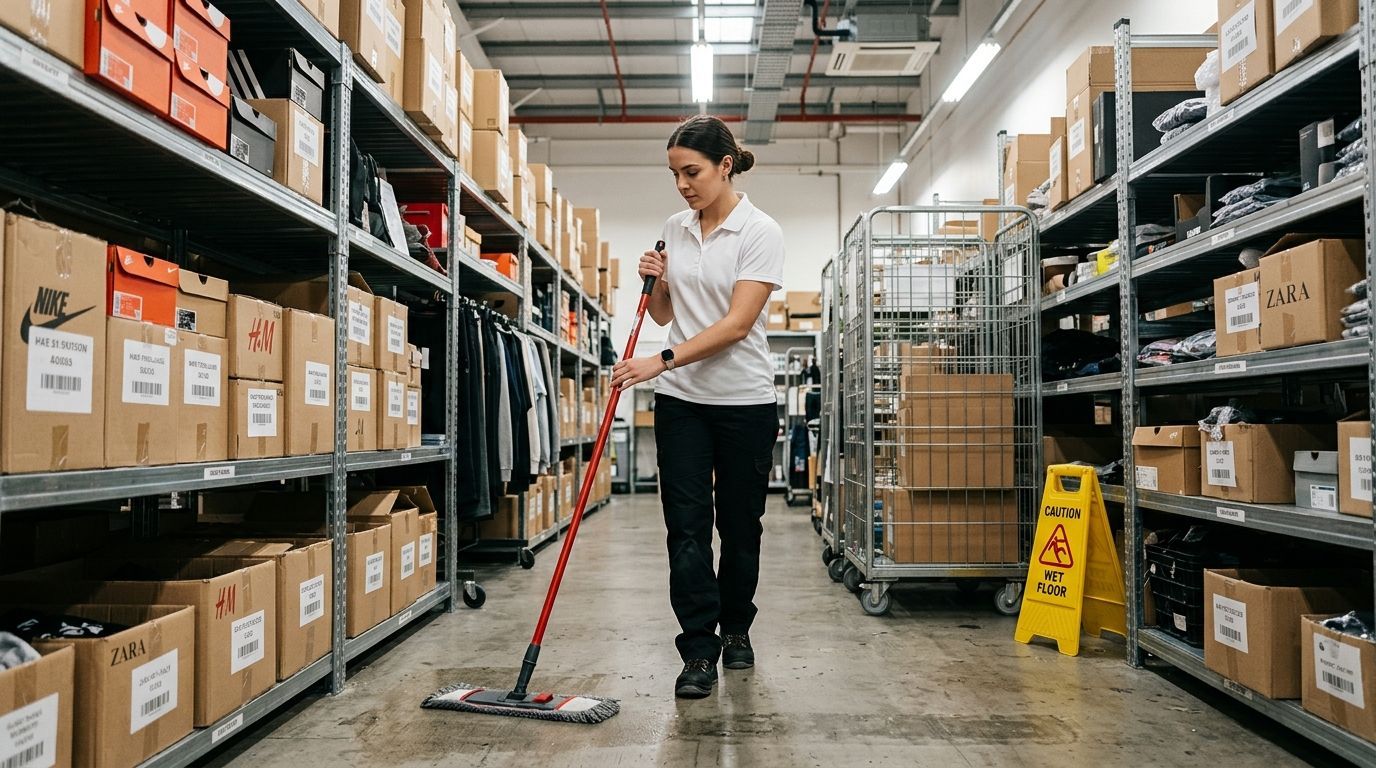
Understanding the Different Types of Commercial Cleaning Schedules: Daily, Weekly, and Deep Cleaning
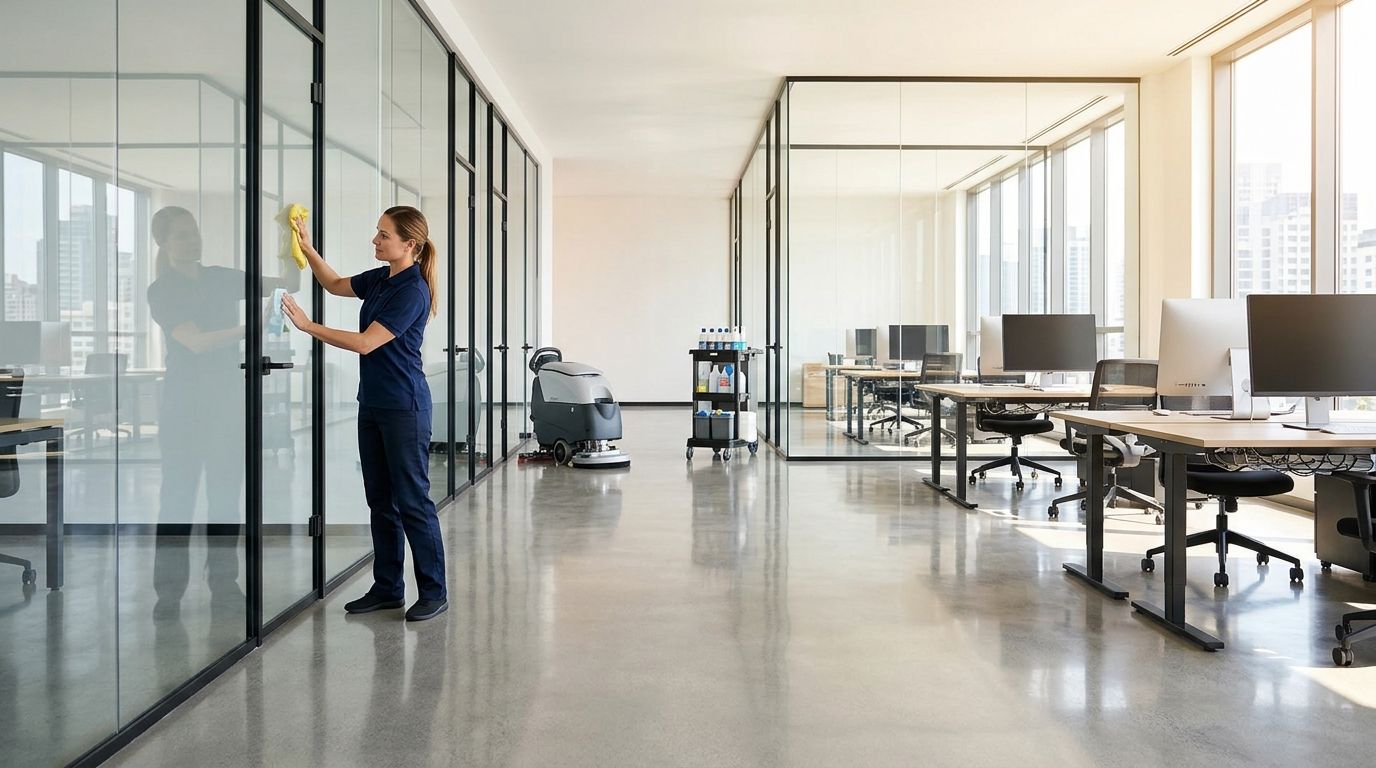
A Practical Guide for Inver Grove Heights Businesses to Choose the Right Cleaning Frequency for a Cleaner, Healthier Workplace
Keeping a commercial property clean requires more than occasional sweeping and wiping down surfaces. Offices, retail stores, medical facilities, and other business environments experience different levels of daily activity, which means their cleaning needs can vary significantly.
For businesses in Inver Grove Heights, Minnesota, establishing a consistent commercial cleaning schedule can help maintain a professional appearance, support employee comfort, and prevent dirt and grime from building up over time.
Some workplaces benefit from daily cleaning, while smaller offices may only need professional service once or twice a week. Other facilities require monthly maintenance and periodic deep cleaning to address areas that routine cleaning may miss.
Understanding the different types of commercial cleaning schedules can help you choose a practical plan that fits your workplace, budget, and operational needs.
1. Daily Commercial Cleaning
Daily cleaning is ideal for businesses with high foot traffic, frequent visitors, or shared workspaces that need consistent attention.
Offices, medical facilities, restaurants, retail stores, and busy commercial buildings often benefit from daily cleaning to keep frequently used areas presentable and hygienic.
Common daily cleaning tasks include:
- Emptying trash bins and replacing liners.
- Vacuuming carpets and cleaning floors.
- Sweeping and mopping hard surfaces.
- Cleaning and disinfecting restrooms.
- Wiping down frequently touched surfaces.
- Cleaning breakroom countertops, sinks, and tables.
- Cleaning reception areas and shared spaces.
- Restocking restroom supplies when included in the service agreement.
Daily cleaning helps prevent dirt, spills, odors, and waste from accumulating. It also keeps important areas ready for employees, customers, and visitors throughout the workweek.
2. Commercial Cleaning Three Times a Week
Cleaning three times a week is a practical option for businesses that need regular maintenance but may not require professional cleaning every day.
This schedule can work well for small to medium-sized offices, professional service businesses, and workplaces with moderate foot traffic.
For example, a business might schedule cleaning every Monday, Wednesday, and Friday.
Typical tasks may include:
- Emptying trash and recycling bins.
- Vacuuming carpets and cleaning high-traffic floors.
- Cleaning and sanitizing restrooms.
- Wiping desks and shared surfaces according to the agreed scope.
- Cleaning kitchen and breakroom areas.
- Disinfecting frequently touched surfaces.
- Removing visible dirt and maintaining common areas.
Three visits per week can help maintain consistent cleanliness while balancing service frequency and cleaning costs.
3. Weekly Commercial Cleaning
Weekly cleaning is often suitable for smaller offices and businesses with fewer employees or limited customer traffic.
Although these workplaces may not need daily professional cleaning, regular weekly service helps prevent dust, dirt, and everyday mess from becoming difficult to manage.
Weekly cleaning may include:
- Dusting furniture, shelves, and accessible surfaces.
- Vacuuming carpets and rugs.
- Sweeping and mopping floors.
- Cleaning restrooms and fixtures.
- Wiping down kitchen and breakroom surfaces.
- Emptying waste containers.
- Cleaning glass doors and visible interior surfaces.
Businesses that choose weekly cleaning should still handle small everyday tasks, such as removing food waste and cleaning up spills, between professional visits.
4. Biweekly Commercial Cleaning
Biweekly cleaning means scheduling professional cleaning once every two weeks.
This option may work for smaller offices, low-traffic commercial spaces, or businesses that already have employees handling basic daily tidying.
Biweekly cleaning may include:
- Thorough dusting of accessible surfaces.
- Vacuuming and floor cleaning.
- Restroom cleaning and sanitization.
- Breakroom and kitchen cleaning.
- Cleaning interior glass and doors.
- Wiping baseboards and other accessible areas.
- Removing accumulated dirt from common spaces.
However, biweekly service may not be enough for businesses with heavily used restrooms, shared kitchens, or frequent visitors. Those areas may need more frequent attention.
5. Monthly Commercial Cleaning
Monthly cleaning is generally used for maintenance tasks that do not need to be performed during every regular cleaning visit.
It is often added to an existing daily, weekly, or biweekly cleaning program rather than used as the only cleaning schedule for a busy workplace.
Monthly cleaning tasks may include:
- Detailed cleaning of baseboards.
- Dusting vents, ledges, and accessible fixtures.
- Cleaning interior glass partitions.
- Removing buildup from less frequently cleaned surfaces.
- Detailed cleaning of corners and hard-to-reach areas.
- Cleaning behind or underneath movable furniture when included in the scope.
Monthly maintenance helps address areas that routine cleaning may overlook and supports the overall condition of your commercial property.
6. Deep Commercial Cleaning
Deep cleaning is a more detailed cleaning process that focuses on areas requiring extra time, attention, and specialized equipment.
Unlike routine cleaning, which maintains everyday cleanliness, deep cleaning targets accumulated dirt, stubborn buildup, and neglected areas.
Businesses may schedule deep cleaning quarterly, semiannually, annually, or whenever their facility requires additional attention.
Common deep cleaning services include:
- Detailed floor scrubbing and treatment.
- Carpet deep cleaning and stain treatment.
- Thorough restroom cleaning.
- Detailed cleaning of kitchen and breakroom surfaces.
- Baseboard and corner cleaning.
- High dusting of accessible vents, ledges, and fixtures.
- Cleaning interior glass and partitions.
- Detailed cleaning of furniture and other agreed surfaces.
Deep cleaning can be particularly helpful before inspections, after renovations, during seasonal maintenance, or when preparing a commercial property for an important event.
Which Commercial Cleaning Schedule Is Right for Your Business?
The best cleaning frequency depends on several factors, including your building size, number of employees, customer traffic, industry, and daily operations.
Here is a simple comparison to help you understand the options:
Cleaning ScheduleBest Suited ForMain PurposeDailyBusy offices and high-traffic facilitiesConsistent everyday cleanliness3 times a weekModerate-traffic workplacesRegular maintenanceWeeklySmall offices and low-traffic spacesGeneral upkeepBiweeklyVery low-traffic workplacesPeriodic maintenanceMonthlyExisting cleaning programsDetailed maintenance tasksDeep cleaningAll types of commercial facilitiesThorough cleaning of neglected areas
Many businesses benefit from combining schedules. For example, an office may receive routine cleaning three times a week, with monthly detailed maintenance and quarterly deep cleaning.
This approach helps address everyday cleaning needs while giving less frequently cleaned areas the attention they need.
Factors to Consider When Creating a Cleaning Schedule
Before choosing a cleaning frequency, consider the specific needs of your facility.
1. Daily Foot Traffic
Workplaces with more employees, customers, and visitors generally require more frequent cleaning. Entryways, restrooms, and shared spaces can become dirty quickly.
2. Type of Business
Different industries have different cleaning requirements. A medical office, retail store, warehouse, and professional office will not necessarily need the same cleaning plan.
3. Restroom and Breakroom Usage
These areas often need more frequent attention because they are shared by multiple people throughout the day.
4. Cleaning Budget
A cleaning schedule should balance your business's budget with the level of cleanliness your facility requires. A customized plan can help prioritize the most important areas.
5. Business Operating Hours
Professional cleaning can often be arranged before opening, after closing, or during other suitable hours to minimize disruption to employees and customers.
Keep Your Inver Grove Heights Workplace Clean With a Consistent Cleaning Plan
A clean commercial environment helps create a positive impression, supports employee comfort, and makes everyday business operations more pleasant.
Whether your facility needs daily janitorial service, cleaning three times a week, weekly maintenance, biweekly visits, monthly detailing, or occasional deep cleaning, choosing the right schedule is essential.
The key is finding a cleaning plan that matches your building's actual needs instead of paying for services that are either insufficient or unnecessary.
Inver Grove Heights Commercial Cleaning helps local businesses maintain cleaner, more professional workplaces through customized commercial and office cleaning solutions. From workstations and reception areas to restrooms, breakrooms, floors, and shared spaces, the company can help businesses establish a cleaning routine suited to their facility and schedule.
Ready for a cleaner workplace? Contact Inver Grove Heights Commercial Cleaning today to discuss your cleaning needs and request a customized commercial cleaning plan for your Inver Grove Heights, MN business.